Your Contract With the Client — 7 Clauses That Prevent Disputes
The most expensive conflicts with clients start with what the contract never mentioned. Seven clauses I put in every design services agreement, and the situations that taught me not to skip any of them.


A dispute with a client almost never starts at signing. It starts in month five, at the third “small revision” nobody priced. Or at handover, when it turns out each side meant something different by “complete documentation.”
I know a studio that spent half a year arguing whether the driveway access design “was included.” The contract said nothing about it, so both sides had their own version of the truth.
A good contract won’t prevent every conflict. What it does is turn a “who is right” argument into reading a clause out loud, which is a very different conversation. Treat the clauses below as practice notes, not legal advice. Have your actual agreement reviewed by a lawyer, ideally one who has seen a few design contracts fall apart.
In short
- List the scope deliverable by deliverable, and separately what it excludes. The exclusion list ends the “I thought that was included” conversations.
- Cap the iterations: two concept variants, two rounds of comments, anything further is paid.
- Deadlines run from concept approval and complete input materials; payments come in stages with a 20–30% advance.
- Copyright passes upon full payment, editable files only for a separate fee and licence.
1. Scope listed deliverable by deliverable
“House design” is not a scope. It’s a slogan. List the deliverables specifically:
- concept design (and how many variants),
- permit design,
- technical design,
- engineering designs, with a clear note on which ones you produce and which the client commissions separately,
- the energy performance certificate and administrative applications if you handle them.
The second list matters more. Write down what the scope does not include:
- interior design,
- landscaping,
- utility connections,
- cost estimates,
- the driveway.
The exclusion list is what ends conversations that begin with “I thought that was included.” It takes half a page to write and saves weeks of correspondence.
2. How many variants, how many revision rounds
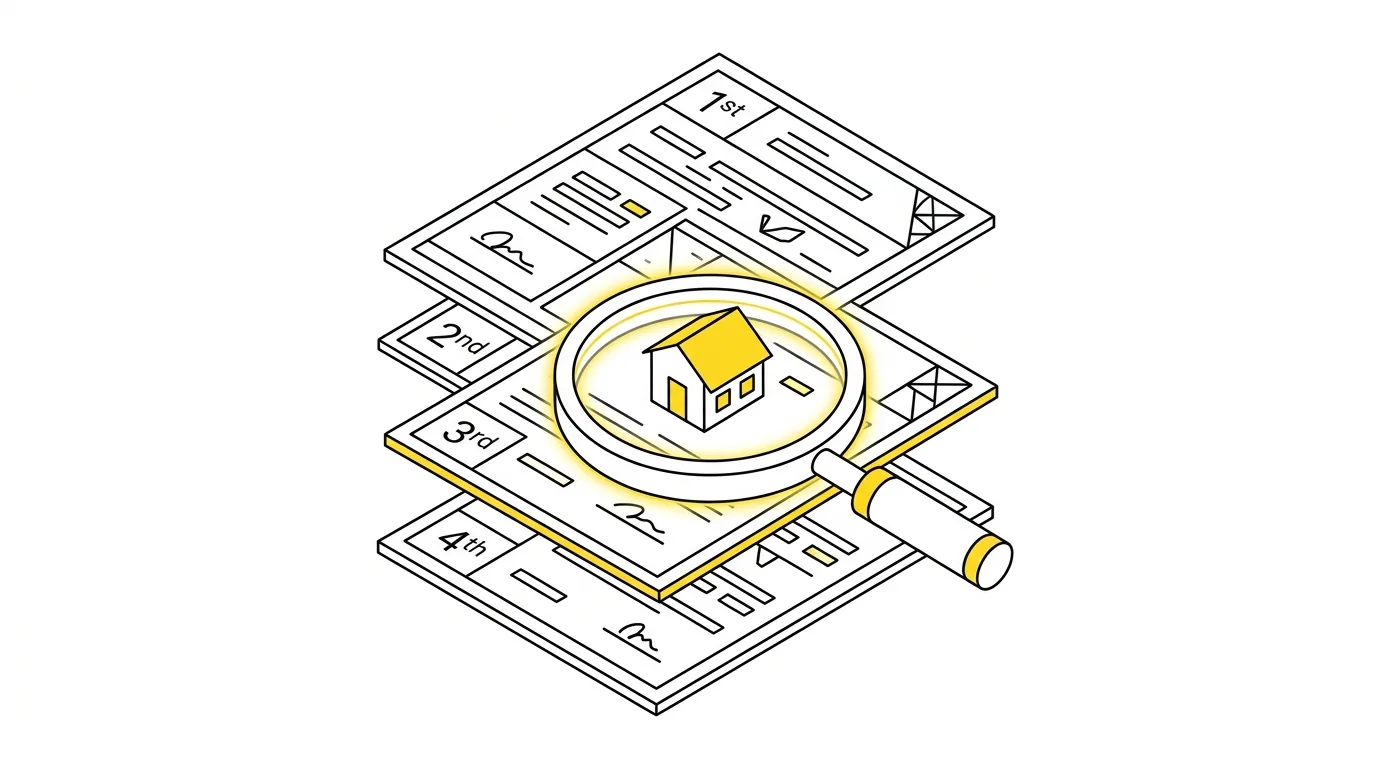
Endless concept iterations are the quietest profitability killer in small studios. The client asks for “one more version,” then wants to go back to the second one, then to merge the third with the first. Each request sounds harmless on its own. Together they add up to weeks of unpaid work.
So I write it down plainly: two concept variants, two rounds of comments per stage. A third round and anything after it runs at an hourly rate, or a flat fee per round. This is not about punishing the client. It’s about decisions actually getting made instead of being postponed forever.
Since I added this clause, revision rounds have become shorter and noticeably better thought through.
3. Deadlines that start with the client’s decisions
“Permit design in 10 weeks” with no conditions attached is a trap you set for yourself. A survey map can take three weeks. Soil tests, a month. Utility connection terms from the network operator, a quarter. You control none of these.
The clock should start when the concept is approved and the complete input materials are in your hands. Then one more sentence: every day the client delays a document or a decision moves the deadline by the same amount. Without it, someone else’s delay becomes your delay, contractual penalties included.
4. Payments tied to stages, not to final delivery
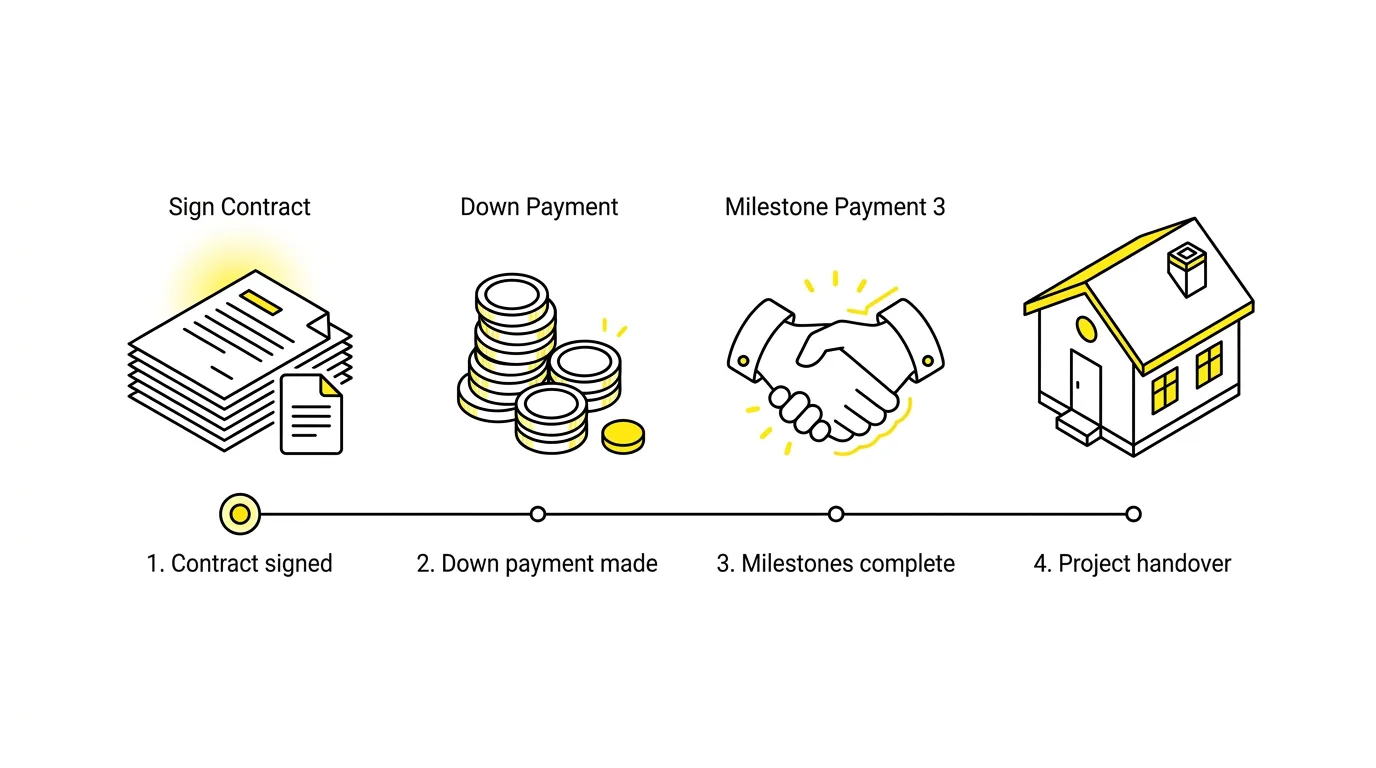
Payment on final handover means financing your client for six months or more. The arrangement that works for me:
- an advance at signing (20–30%),
- a payment after concept approval,
- another after permit design,
- the rest at submission or handover of the documentation.
Add one short paragraph on top: if a payment is more than 14 days overdue, work is suspended and deadlines shift accordingly. Without that clause, your only sanction for a missing transfer is a polite reminder email. With it, you usually never have to invoke it at all.
5. Copyright and derivative rights
This is where things get expensive, because clients never think about copyright, and in a conflict this clause decides everything. Be precise: do you transfer economic rights or grant a licence, in which fields of use, and from what moment. Good practice: rights pass upon full payment, not upon sending the files.
Regulate derivative rights separately, meaning whether the client may commission changes to your design from someone else. Skip this, and you may one day learn from construction photos that another architect has been “improving” your project.
6. Documentation format and editable files
How many paper copies, which digital formats. PDF, yes, as standard. Editable DWG or IFC files only for a separate fee and under a separate licence. Handing over editable files without settling derivative rights is an open invitation for someone else to finish the design. Built on your work, outside your control, with your name nowhere near the consequences.
7. One decision-maker, decisions in writing
A simple clause with outsized effects: design decisions become binding once confirmed in writing (email counts), and the client names one person authorised to decide. No more situations where one spouse approves the kitchen layout, the other questions it two weeks later, and you have both versions sitting in your inbox.
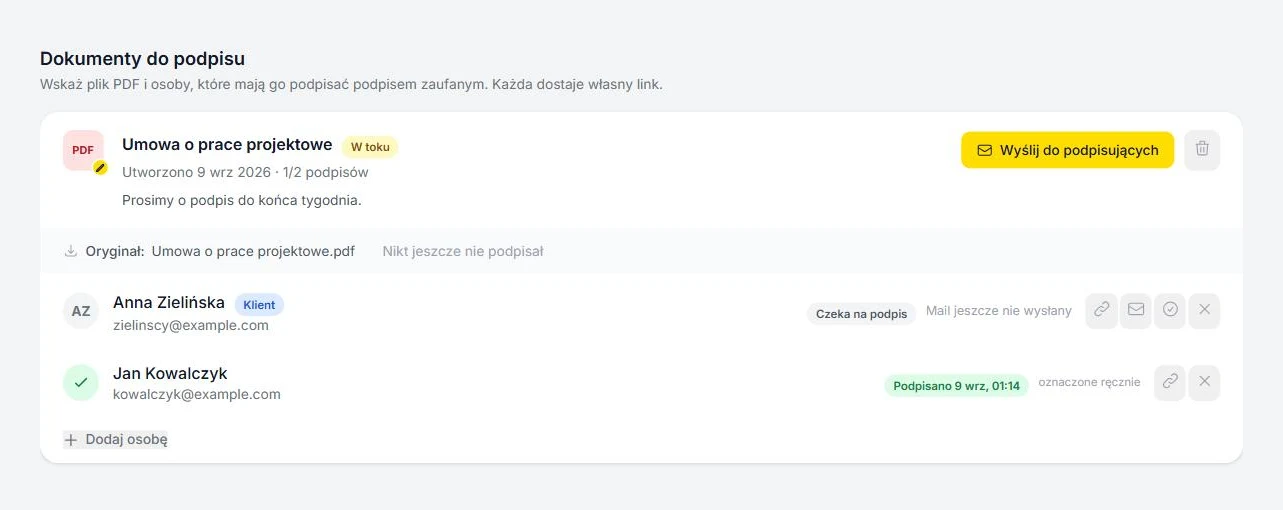
If you run projects in a tool that keeps a history of decisions and stage approvals, like the ArchiFlow client portal, the documentation for any future dispute exists before the dispute does: who approved what, and when. The contract itself and any later amendments the client signs with the Polish trusted signature from that same portal, and the signed file lands in the project folder.
What if the client brings their own template?
It happens more and more, especially with clients from the industry: you receive a “standard contract template,” usually written with a construction contractor in mind, not a designer. Don’t reject it out of hand, but don’t sign it out of politeness either.
Read it against these seven points and check two things in particular: contractual penalties (are they mutual, is there a cap) and the moment copyright passes. If any of the seven clauses is missing, propose an addendum or your own scope annex. A client who refuses to specify the scope of their own investment is telling you something important about how the collaboration will go.
Bonus: the emergency exit
Contracts aren’t written for the good times. Add termination terms: a notice period and settlement of completed stages according to the payment schedule. A collaboration that isn’t working (and sometimes it just isn’t, through nobody’s fault) should end cleanly, with payment for work done and no hostages on either side.
These seven clauses are seven conversations you have once, calmly, at signing. The alternative is having them mid-conflict, when both sides are tired and suspicious. In my experience, clients who are serious about building are not scared off by a specific contract. The ones who are scared off are the ones you didn’t want to work with anyway.
ArchiFlow gives investors real-time visibility into project progress — through one link from the office, with a login if they want one. Ask your architectural office if they use ArchiFlow.
Learn more →